
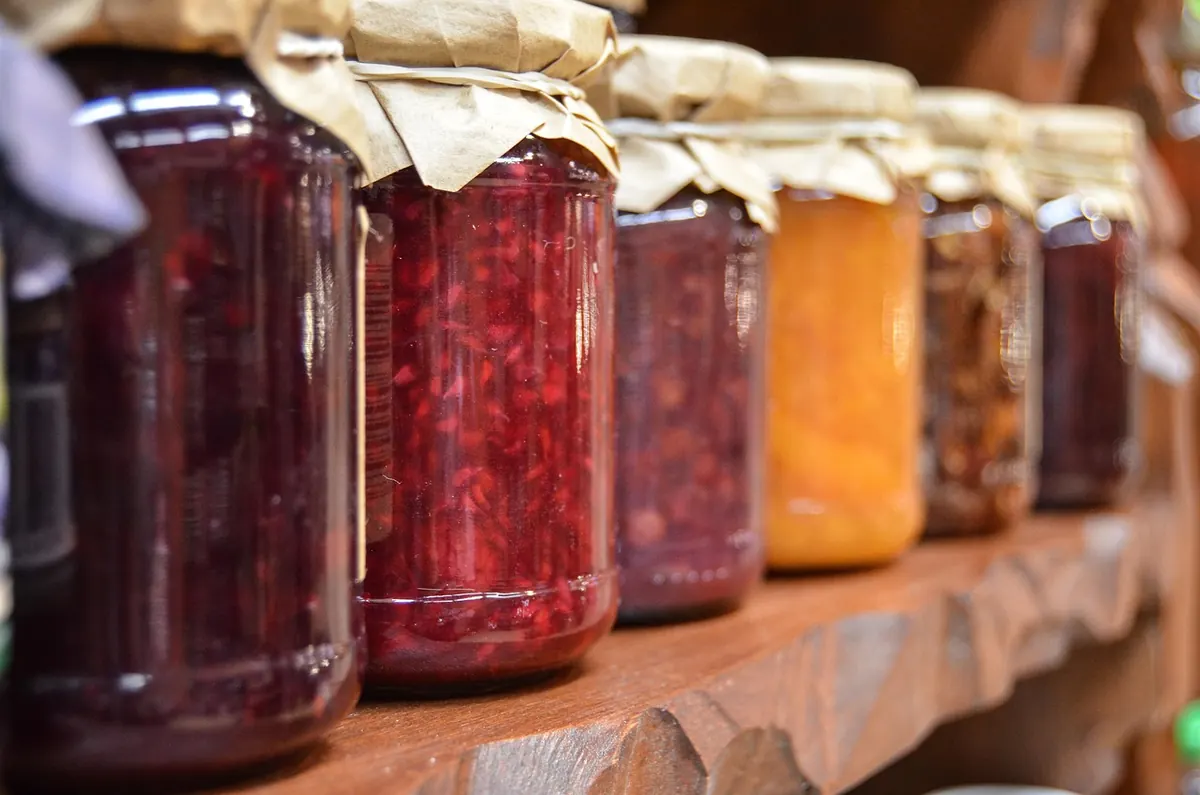
There is a particular pleasure in a single pan of apricots turning glossy and thick on a Tuesday evening. No canner, no crate of jars, no production line — just fruit, sugar, a lemon and a fridge doing the rest. Refrigerator preserves are how most good jam makers begin, and for small batches they remain the most sensible way to work.
What follows covers the safety rules worth knowing, how to choose a pectin, how to get jars ready when you do not own a water-bath canner, and a method you can repeat with whatever fruit is on the counter.
Why Fridge Preserves Suit a First Batch
Water-bath canning exists to make jars shelf-stable: the sealed jar and the boiling water together keep spoilage organisms out. Take the water bath away and the fridge takes over that job, which is a fair trade for a beginner. You can work in 500g batches, use less sugar if you prefer, and waste nothing when an experiment goes wrong.
The cost is fridge space and time. A jar of fridge jam is best eaten within three to four weeks of opening, and a chutney within a couple of months. Write the date on the lid and you will never have to guess.
Keep the batch small and the jars smaller. Two jars you actually eat beat twelve you feel guilty about.
The Three Things That Keep a Preserve Safe
Acid, sugar and cold. Understand those and you can improvise with confidence.
- Acid. Most fruit is naturally acidic, which is what makes jam an unwelcoming place for mould and bacteria. Low-acid additions — onion, garlic, chilli, pear, fig, tomato — need help, usually from vinegar or lemon juice. A chutney without vinegar is not a chutney; it is a stew.
- Sugar. Sugar is not only sweetness. It binds water, leaving less available for microbes. Cut it too far and the preserve turns out both runny and short-lived.
- Cold. The refrigerator is your preserving method. Everything you pot goes straight in and stays there between servings.
Keep pans, spoons and jars scrupulously clean, dip into jars with a clean spoon, and never leave a preserve sitting out overnight to cool. If you want jars that live in a cupboard, follow a tested water-bath recipe exactly rather than adapting a fridge recipe; the proportions of acid and sugar are doing different work. Anyone pregnant, elderly or with a weakened immune system is better served by properly processed preserves, so ask a health professional if you are unsure.
Choosing Your Pectin
Pectin is what turns fruit juice into jam. Some fruits bring enough of their own; others need a helping hand. The type you buy changes both the method and the amount of sugar.
Powdered pectin
Usually stirred into the fruit before the sugar, then boiled hard for a minute. It gives a reliable, fairly firm set, and the packets assume a generous amount of sugar.
Liquid pectin
Added off the heat, after the sugar has dissolved and the mixture has boiled hard for a minute. It sets quickly, so stir it in thoroughly, skim, and pot within a few minutes.
Low-sugar and no-sugar pectins
These are made for jams with roughly half the usual sugar, or those sweetened with honey or juice. Some need calcium water, some set only after a short rest, so follow the leaflet in the box for your first batches rather than a remembered ratio.
Fruit that sets itself
Under-ripe fruit holds more pectin than ripe. Apples, gooseberries, blackcurrants, damsons and citrus peel are generous; strawberries, cherries, peaches and pears are not. A handful of chopped apple or a strip of lemon zest will help a soft-fruit jam along without a bought pectin.
Preparing Jars and Lids Without a Canner
You do not need to boil jars for a fridge preserve, but they must be spotless and, ideally, hot. Wash them in hot soapy water, rinse well and stand them upside down on a clean tea towel to drain. To keep them hot until filling, hold them in a sink of hot water or warm them in a low oven — around 130°C/250°F for fifteen minutes — which dries them too. Lids need only a wash and a dry.
Check every jar for chips and hairline cracks; a damaged rim will not seal, and a crack may give way when hot jam goes in. Reused commercial jars are fine for fridge preserves provided the lid screws on snugly. Fill while both jam and jar are hot, leaving about 6mm (¼ inch) of headspace, wipe the thread with a damp cloth, and screw the lid down firmly. Let the jars cool on a wooden board away from a draught, then refrigerate. A hot-filled jar often pulls its lid down as it cools, which is a useful sign, though not a substitute for the fridge.
A Method You Can Repeat
- Weigh your prepared fruit — 500g is a good first batch — and put it in a wide, heavy pan with a tablespoon or two of lemon juice.
- Add sugar. With a low-sugar pectin, roughly half the weight of the fruit; with standard powdered pectin, closer to the fruit's own weight, or as the packet directs. Warm gently until the sugar dissolves.
- Add the pectin as directed, then boil hard, stirring often, until the mixture looks thick and the bubbles turn slow and heavy.
- Test the set before you pot. Chill a saucer in the freezer, drop on a teaspoon of jam, wait a minute, then push the edge with your finger. A skin that wrinkles is a set; a thin syrup that runs is not.
- Skim, pot into hot jars, cool, label and refrigerate.
If it does not set
Usually the fruit was over-ripe, the pan was too full for the water to boil away, or the jam simply needed another five minutes. Return it to the heat and boil again before adding anything else. If it still refuses, call it fruit sauce and spoon it over yoghurt. It will taste exactly the same.
Chutney Works the Same Way
Chutney uses the same pan and the same instincts, with vinegar in place of some of the fruit's acidity and spices in place of vanilla. Soften chopped onion in a little oil, add fruit, sugar, vinegar and spice, then simmer gently for forty-five minutes to an hour, stirring now and then so it does not catch. It is ready when a spoon drawn through the pan leaves a clean channel and the mixture holds its shape.
Fridge chutney improves after a week or two, once the vinegar has settled and the spices have opened out. It keeps for a couple of months in the refrigerator, longer if it is heavy on vinegar and sugar.
Start With One Pan This Weekend
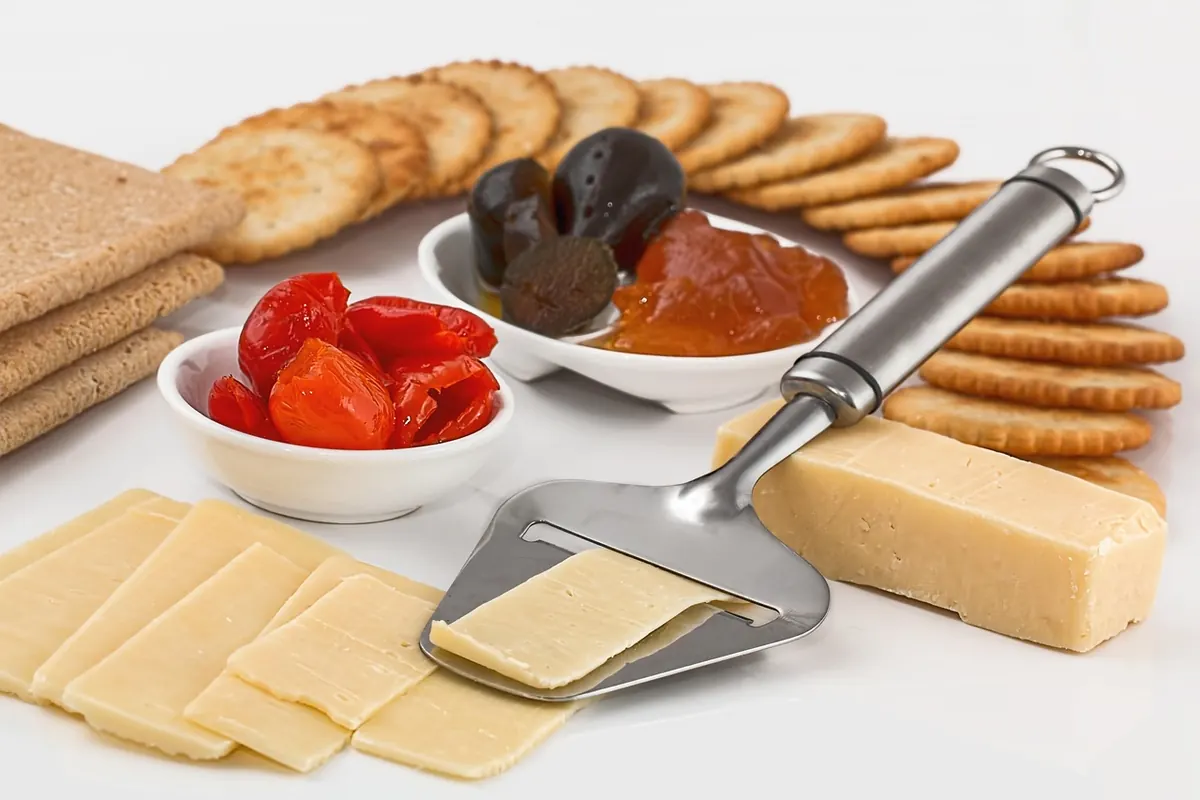
Choose fruit you can get in quantity, taste as you go, and note on the jar what you did. A first batch of strawberry and lemon, or plum with a star anise, teaches more than any recipe. Keep the jars small, keep them cold, and use them generously — a spoonful stirred through porridge or set beside cheese is the whole point of having made them.
Photo: jarmoluk / Pixabay