
Most jars of preserve lead a narrow life. The marmalade is scraped onto toast before eight in the morning, the chutney appears once a year beside cold ham, and the damson jam waits at the back of the cupboard for someone to bake scones.
A good preserve is a seasoning as much as a spread. It brings sweetness, acidity, spice and texture to plain food, and it does the job in seconds — a spoonful beside a slice of cheese, a glaze brushed over a roasting joint, a slick under a pastry lid. You don't need a chef's palate to pair them well. You need a few principles and a willingness to taste as you go.
The Four Rules of a Good Pairing
Preserves behave like salt or lemon juice: they sharpen what's already on the plate rather than covering it. Four things are worth keeping in mind.
- Match the weight. A delicate preserve vanishes beside a strong cheese. Pair bold with bold — mature Cheddar with a spiced apple chutney, a fresh curd with something light and floral.
- Balance fat with acid and sugar. Fat needs cutting. Salty, rich, buttery things — pâté, hard cheese, roast pork, sausage rolls — come alive with something sharp or sweet-sour.
- Think about texture. Chunky chutney suits rough-cut ham and coarse pâté. Smooth jellies and fine-cut marmalades suit delicate cheeses, custards and cream.
- Consider temperature. Cold preserve beside warm pastry is one of the best combinations going. Warm cheese, on the other hand, wants a room-temperature chutney rather than a chilled one.
If a pairing tastes muddy, one element is too quiet. A pinch of salt or a squeeze of lemon usually brings it back.
Chutney: The Savoury All-Rounder
Chutneys are the easiest place to start, because they were built for the savoury table: sweet, sour, spiced and often chunky. Apple and cider chutney with mature Cheddar. Tomato chutney with smoked cheese. Piccalilli with a pork pie or ham hock, its mustardy crunch against soft fat. Beetroot chutney with goat's cheese, where the earthiness does the work.
They also earn their keep as ingredients. Stir a spoonful into the pan juices of a roast for an instant gravy, or spread one inside a cheese toastie before it goes under the grill. Loosen a chutney with oil and vinegar and you have a dressing for cold meat salad or roasted roots. A glaze brushed over parsnips or sausages in the last ten minutes of roasting gives them a sticky, spiced edge.
Jam and Fruit Preserves Beyond Toast
Jam has a reputation as the sweet one, but its acidity makes it a natural partner for cheese, cured meat and roast pork. Rhubarb and ginger jam with a soft Brie. Damson or plum jam with a crumbly blue. Fig jam with goat's cheese and a sprig of thyme. Quince paste, the firm sliceable cousin of jam, with a hard sheep's cheese — a classic pairing for good reason.
For meat, loosen the jam first. A spoonful of plum or apricot jam warmed with a little mustard, vinegar or wine makes a quick sauce for sausages, duck or roast pork. Straight from the jar it will be too stiff and too sweet; thinned, it turns savoury.
Marmalade: Bitter, Bright and Underused
Seville orange marmalade is the most underrated jar in the cupboard. Its bitterness cuts through fat better than jam does. Try it with a strong Cheddar in a toasted sandwich, or with Stilton and a square of dark chocolate.
It is a fine glaze for ham, and a spoonful stirred into a marinade for pork or duck gives a bitter-orange edge that honey can't. Thin it with oil and vinegar for a dressing. In baking, a layer of marmalade under a pastry lid or in the base of a steamed pudding adds a bitter note that stops the whole thing becoming cloying. Whisky and ginger marmalades behave the same way, and both work particularly well with aged cheese.
Pastry, Pies and Puddings
Preserves in and around pastry follow one simple rule: inside the pastry, it should be cooked; beside the pastry, it should be cold. A spoonful of chutney baked into the filling of a sausage roll or a cheese scone melts into the crumb. A teaspoon of jam in a tart case sets and intensifies in the oven.
Beside a pie or a pasty, cold chutney gives the contrast you want — crunch and sharpness against buttery pastry. Serve it on the plate rather than inside the roll and the pastry stays crisp. Watch the quantity, too: too much jam makes a soggy bottom, and a heaped spoonful is usually twice what a small tart needs.
Building a Board That Works
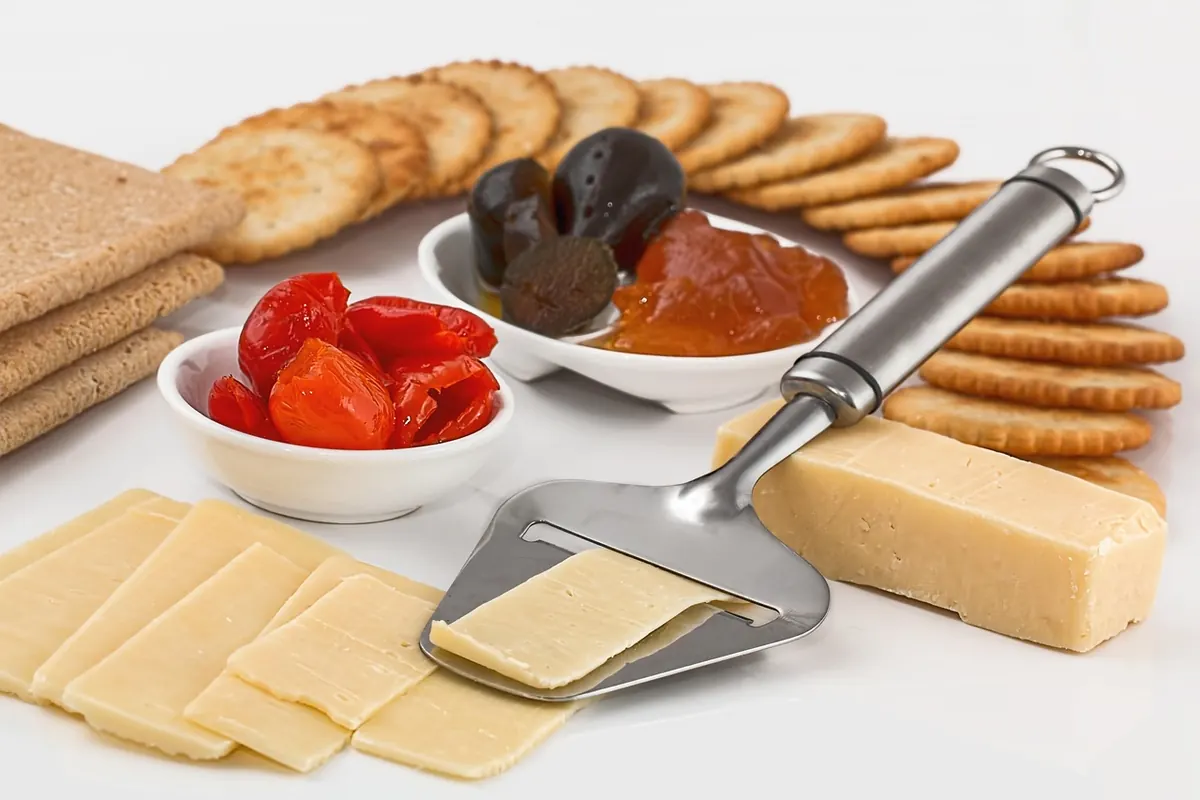
- Pick three cheeses of different weights — one soft, one hard, one blue — so there's a range to pair against.
- Choose two or three preserves that don't repeat each other: one chutney, one fruit jam, one marmalade or jelly.
- Add something plain — oatcakes, sourdough, walnuts, a few slices of apple — to reset your palate between tastes.
- Keep portions small. A teaspoon of each preserve in its own little bowl is more inviting than a row of open jars, and it stops the flavours mingling.
- Taste in order: mild to strong, soft cheese before hard, and the blue last.
A Few Jars Worth Keeping In
Three jars cover most occasions: a chutney for cheese, cold meat and pies; a fruit jam for soft cheese, roasts and baking; a marmalade for toasties, glazes and puddings. Rotate them as the seasons change and you will rarely be caught out.
Decant a small amount into a bowl rather than putting the jar on the table, and bring it to room temperature twenty minutes before serving — cold dulls flavour. Never put a used spoon back into a jar. Once opened, most preserves keep in the fridge for a few weeks; check the label and trust your nose and eyes.
If you are cooking for someone with allergies, read labels carefully. Chutneys often contain mustard, and many preserves contain sulphites.
None of this is complicated. The next time you put together a cheese sandwich or a plate of cold ham, set a spoonful of something beside it and taste the difference.
Photo: stevepb / Pixabay