
A good afternoon tea is less about baking for days and more about getting the proportions right: something plain and warm, something rich and cold, something sharp, something salty to reset the palate. Do that with ingredients gathered from within an hour of your kitchen and the table stops feeling like a performance and starts tasting like the place you live. Here is a workable menu, a sourcing plan, and a few honest notes on what to buy rather than make.
The two things that carry the whole table
Cream and jam do more work than any cake, so spend your money there. Buy proper clotted cream if you can find it; look for a pale gold, thick-set crust and cream underneath that holds a spoon. In the Cotswolds you will often find it from dairies using Jersey or Guernsey herds, and a 200g to 230g pot stretches comfortably across six to eight scones.
If clotted cream is not available, you have two decent options. Whip double cream to soft, spoonable fluff, or make a rough version at home: pour double cream into a shallow oven dish, leave it in the lowest oven setting you have (roughly 80°C) for eight to twelve hours, cool, then chill overnight and lift the set crust. It is not the real thing, but it is very good on a warm scone.
For preserves, buy two and keep them distinct: one soft, sweet berry jam and one darker, sharper pot. Strawberry or raspberry on one side, damson, blackberry and apple, quince or greengage on the other. Farmers' markets, village fêtes and WI stalls are the best hunting grounds. Before you buy, ask to taste. Run a spoon through the jar — if it pours like syrup, use it on scones rather than sandwiching a sponge with it.
A menu that fits on one table
- Plain and fruit scones, baked the same morning, kept warm in a tea towel
- Clotted cream, plus a small bowl of lightly whipped cream for anyone who prefers it
- Two preserves: one berry, one dark and sharp
- Finger sandwiches in two or three fillings, half with crusts trimmed, half without
- Cheese scones or tiny cheese tartlets, served barely warm
- Two small cakes, cut into pieces no bigger than two bites
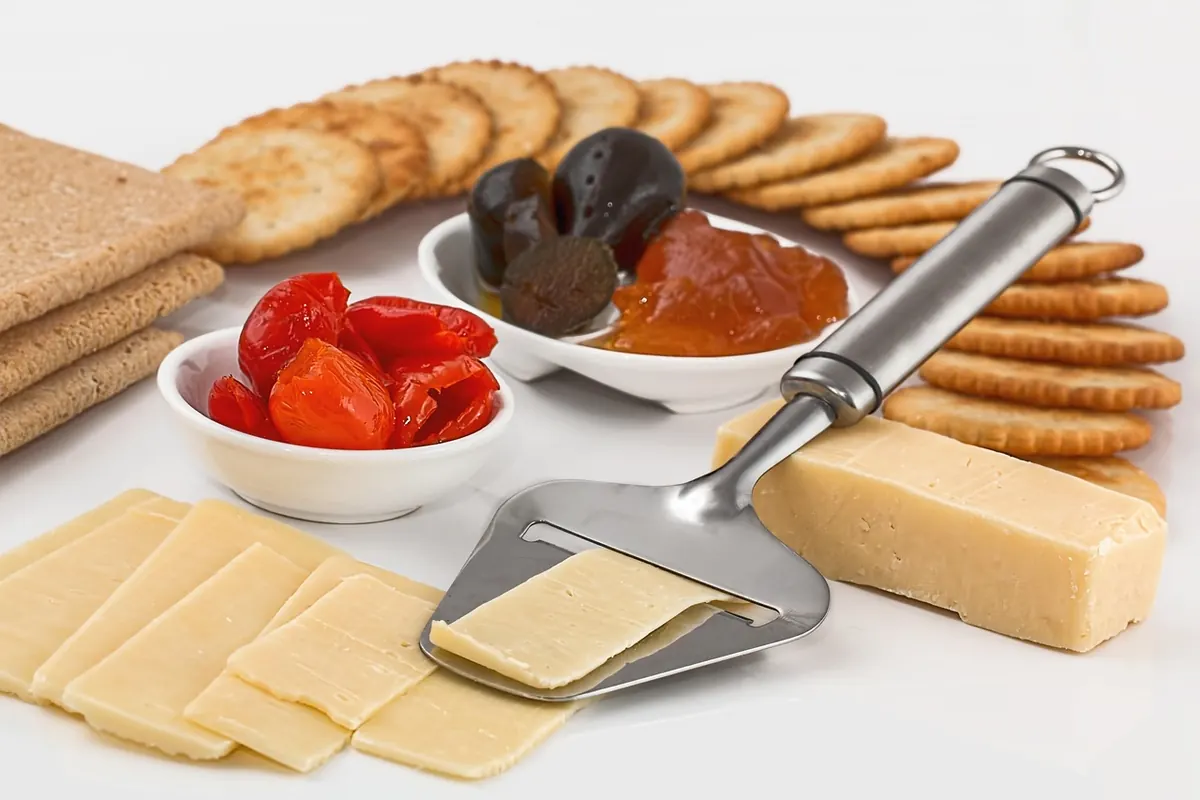
- One salty note: slivers of pungent local cheese on oatcakes, or pork and apple on toast
- Tea, of course, plus a jug of milk and a pot of hot water
Four savoury items and two sweet is plenty. Guests graze; they do not eat a full portion of everything, and a crowded table makes people hesitant rather than generous.
Sourcing: markets, counters and farm shops
The Cotswolds are unusually well served. Cirencester, Tetbury, Stow-on-the-Wold, Burford, Chipping Campden and Winchcombe all have regular markets or well-stocked farm shops within a short drive of each other, and most cheesemongers will let you taste before you commit.
For cheese, look for Single Gloucester, which has protected status and a mild, crumbly character that suits tartlets and scones. Cerney Ash and other local goat's cheeses bring a clean, lemony edge to a savoury plate, while Stinking Bishop needs only a whisper — a few thin slices on oatcakes will perfume the whole table, and not everyone will thank you for more. Bring cheese out of the fridge an hour before serving; cold cheese tastes of nothing.
For the rest of the plate: smoked trout from a Cotswold trout farm is excellent flaked into sandwiches with a little horseradish cream; Gloucestershire Old Spot pork makes a superior sausage roll or a simple roast-pork-and-apple filling; rapeseed oil grown and pressed in the county is worth keeping on the counter for baking and dressing; local honey stirs into a plain yoghurt or a cup of tea without any fuss. Ask the person behind the counter what is in season and what they would put on their own table. That question has never once failed me.
Small cakes worth the effort
Victoria sponge
Bake it in a shallow tin and cut it into small, neat squares or rounds. Raspberry jam only, and a thin layer of it. The mistake people make is overfilling, which turns a delicate cake into a jam sandwich.
Lemon drizzle
Cut into fingers rather than wedges. It keeps for days in a tin, which means one less thing to do on the morning itself.
Hedgerow fruit tartlets
Shortcrust cases, a spoon of apple and blackberry or damson compote, and a little crème fraîche whipped with a touch of sugar. If you have no time to make pastry, a good bought all-butter shortcrust is a reasonable compromise.
For eight guests, one sponge, twelve tartlets and twelve drizzle fingers is generous. Add scones and nobody will leave hungry.
Savoury bites that balance the sugar
Butter the bread before you fill it, right to the edges, and season the fillings properly — a pinch of salt and a grind of pepper in egg mayonnaise changes everything. Good options: cucumber with a little dill, smoked trout with horseradish, roast pork with apple, and a sharp Cheddar or Single Gloucester with chutney. Cut them narrow, about the width of two fingers.
Cheese scones, split and buttered, are the most useful thing on the table. So are tiny tartlets with a spoon of caramelised onion and a crumble of goat's cheese. Keep salt in mind throughout: a salty bite between sweet ones makes both taste better.
Tea, and what to pour alongside
One good loose-leaf tea beats four mediocre ones. An Assam or a robust English breakfast suits milk; a first-flush Darjeeling or a light Ceylon is better for anyone drinking it black. Brew in a pot, use roughly one heaped teaspoon per cup plus one for the pot, and never let it stew — pour it out or lift the leaves. Offer hot water separately for anyone who likes it weak, and keep a caffeine-free option, such as peppermint or a fruit infusion, on the go.
If you want something cold and local, a Gloucestershire or Herefordshire cider works well with the cheese, and a dry English sparkling wine from a county vineyard handles the whole table. Both are also good reasons to invite people who do not drink tea.
Two days before, the day before, the morning of
- Two days ahead: buy cheese, preserves and cream. Confirm with guests about allergies and anything they avoid, and plan one gluten-free and one dairy-free plate if needed.
- The day before: bake the sponge and the drizzle cake, make the tartlet cases and compote, and chill the cider or sparkling wine. Make a list of what gets assembled on the day.
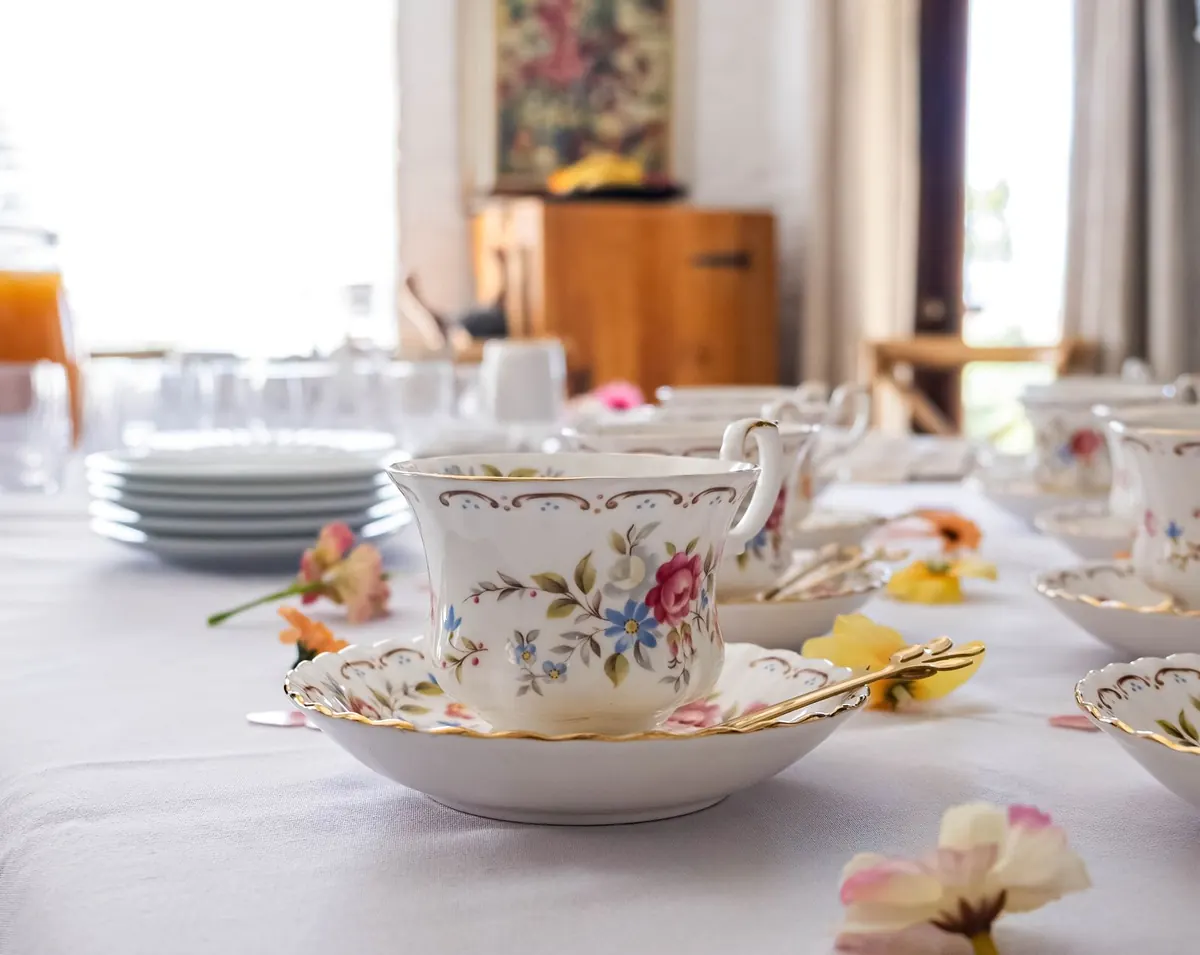
- The morning of: bake scones no more than two hours before serving. Make sandwiches, cover them with a dampened cloth and keep them cool. Set the table — plates, small knives, teaspoons, jam spoons, napkins.
- An hour before: take cheese out of the fridge, put cream in a bowl set over ice if the room is warm, and boil the kettle.
- At the table: bring the scones out last, and sit down yourself.
Keep the guest list to a number you can seat properly and the whole thing to about two hours. Afternoon tea works when it feels unhurried, so leave the washing up until everyone has gone.
Photo: Cameron Basson / Pexels